Reserva Natural Hoces del Cabriel en Cuenca

Reserva natural emblemática

Imagen

Esta reserva natural, la más extensa de la provincia de Cuenca, se ubica al sur de la presa de Contreras, a lo largo de 12 km por la margen derecha del río Cabriel, en los términos municipales de Minglanilla e Iniesta. Las aguas del río Cabriel, principal afluente del Júcar, serpentean sirviendo de frontera natural entre las provincias de Cuenca, Valencia y Albacete.

Declarada en el año 1995, fue la primera reserva natural de Castilla-La Mancha. El proyecto de trazado de la autovía A3 por el interior del paraje generó un fuerte rechazo social y aceleró su protección mediante la aprobación del plan de ordenación de los recursos naturales.

The Hoces del Cabriel Natural Reserve, the largest in the province of Cuenca, extends south of the Contreras dam for 12 km alongside the right bank of river Cabriel, in the municipalities of Minglanilla and Iniesta. River Cabriel is the main tributary of river Júcar, as well as the natural boundary between the provinces of Cuenca, Valencia and Albacete.

It was the first Natural Reserve in Castilla-La Mancha, created in 1995. The strong social rejection to the original A3 highway project running through the site speeded up its protection, accomplished by means of the approval of its Management Plan.

Valores Florísticos y Vegetación

La reserva natural de las Hoces del Cabriel alberga tres tipos principales de formaciones vegetales:

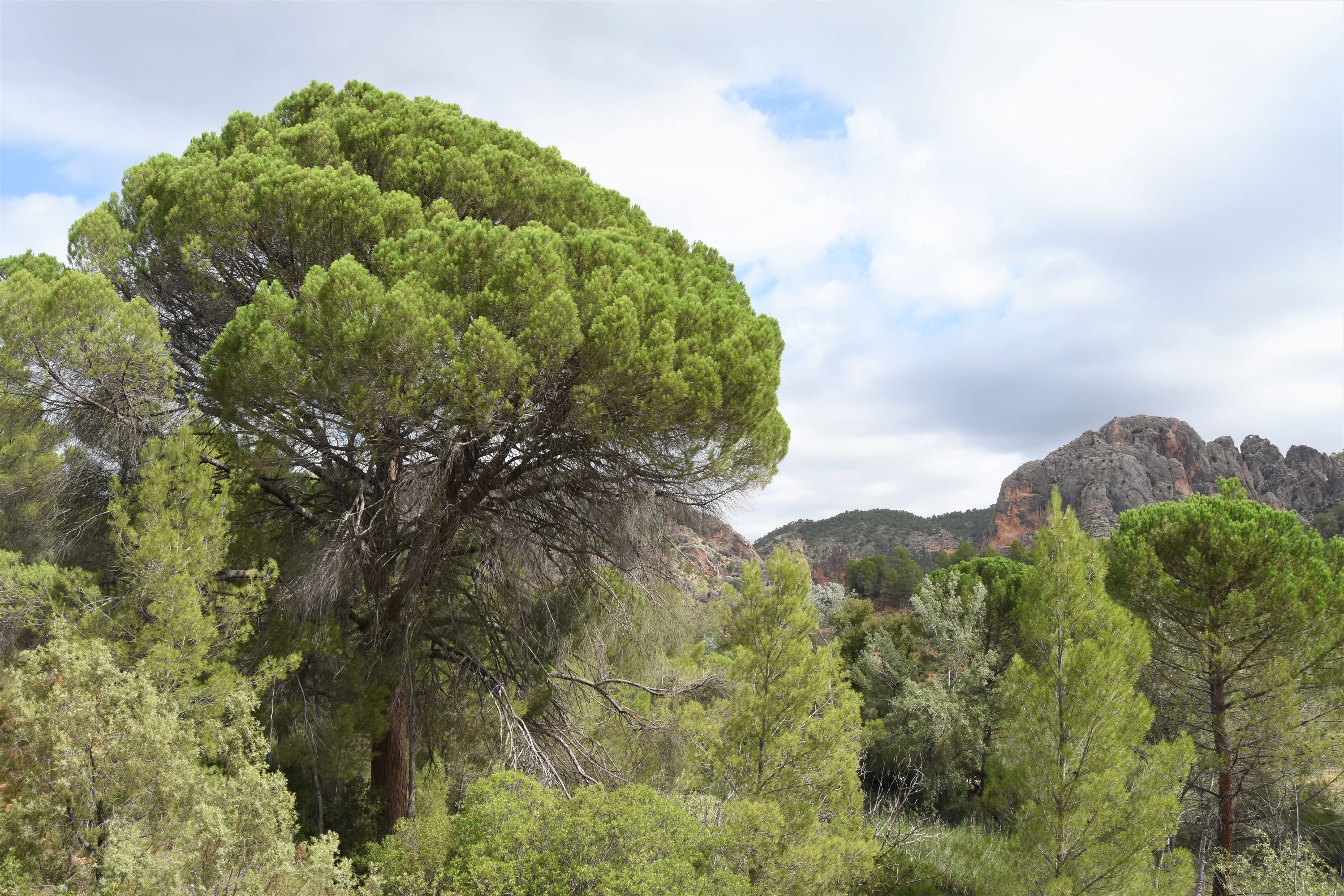
- Bosque mediterráneo: la termicidad de este territorio permite el desarrollo de garrigas calcícolas levantinas, un matorral perfectamente adaptado al clima mediterráneo. Está compuesto por coscojas, lentiscos, cornicabras, madroños, espinos negros, aladiernos, jazmines, brezos,...En las zonas más umbrosas la garriga se enriquece con durillos y plantas trepadoras.

- Las laderas escarpadas son el hábitat de la vegetación rupícola, plantas que son capaces de vivir en la roca desnuda, sin suelo, sin humedad y expuestas al viento. Algunos ejemplos son las sabinas moras o las globularias.

- Finalmente, en los márgenes del río aparece la vegetación de ribera: alamedas blancas, tarayales y saucedas acompañados de juncales, carrizales y cañaverales.

The vegetation landscape of the natural reserve is made up from three types of habitats:

- A well-preserved Mediterranean forest, that includes a rich thermophilous evergreen scrub or “garriga”, composed of Kermes oak, black hawthorn, strawberry tree, wild jasmine, mastic tree or “cornicabra” (called so because of its typical horn-shaped galls).

- In the rocky ridges, windy and with little humidity available, the chasmophytic vegetation (crags and ledge vegetation), adapted to those extreme conditions, clings to the bare rock. It includes even some small trees, such as the Juniper (Juniperus phoenicea), and globe daisies.

- On the banks of the river, the riparian forest includes white poplars, tamarisks, different willow species and reed beds.

Valores Geomorfológicos

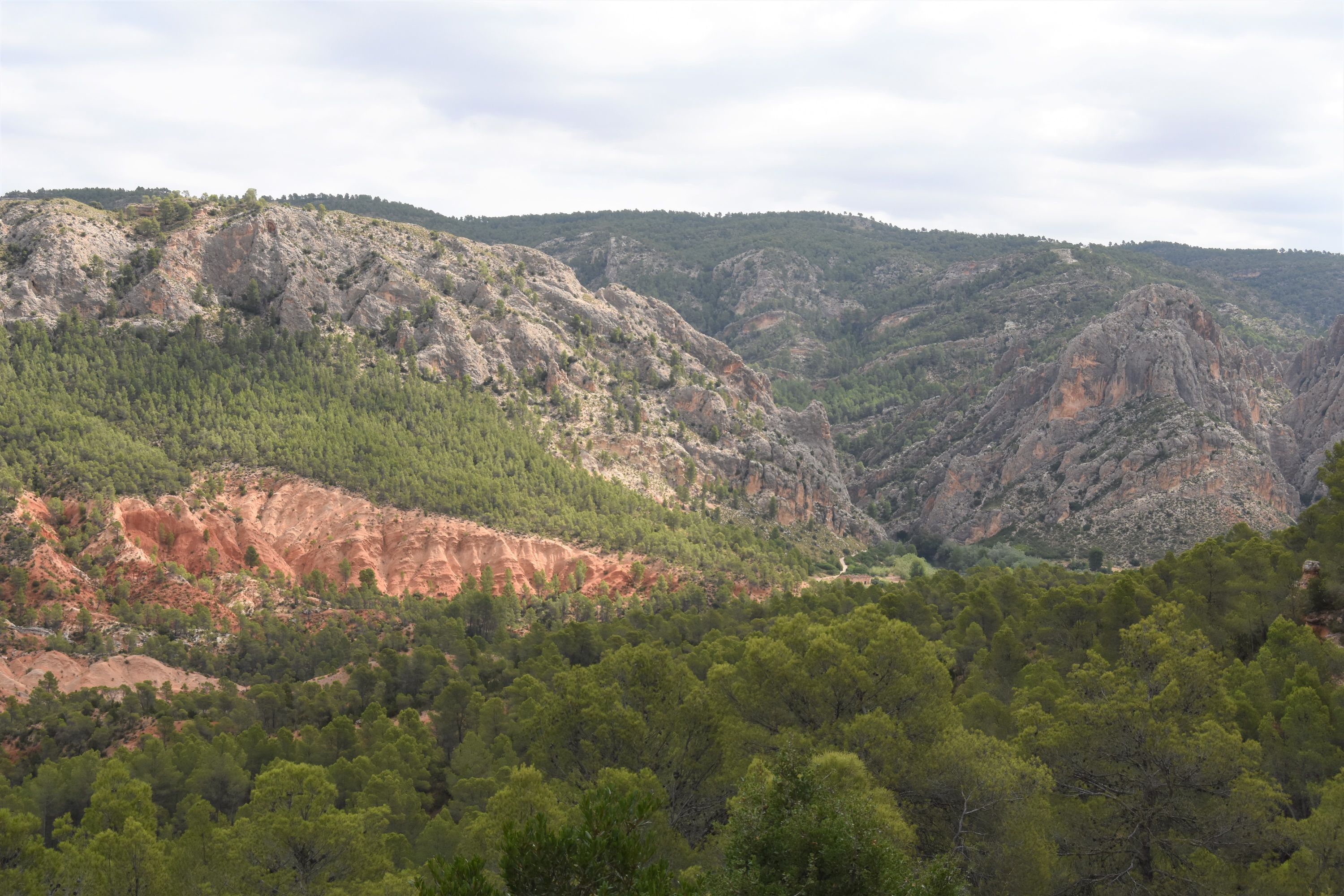
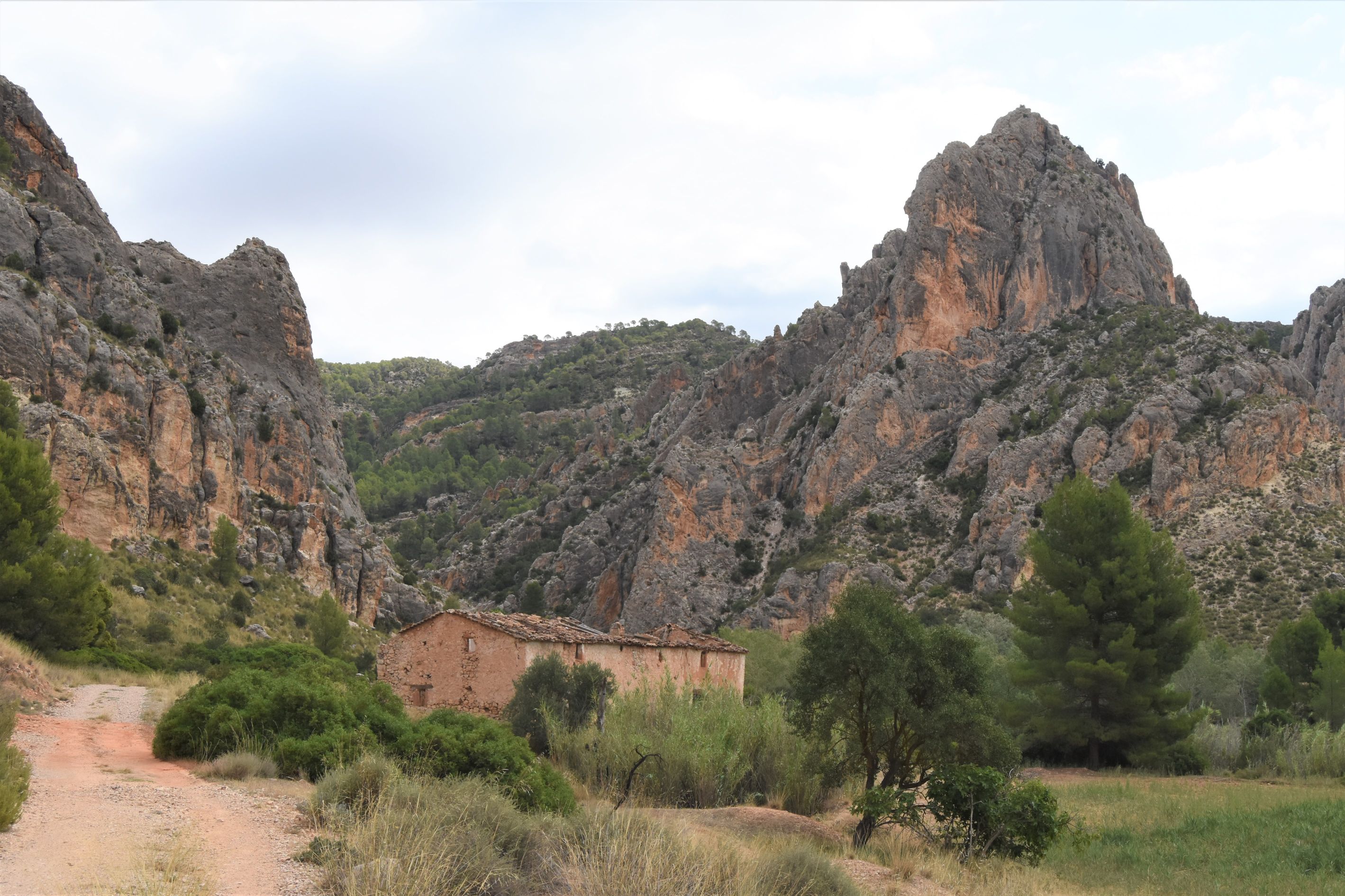
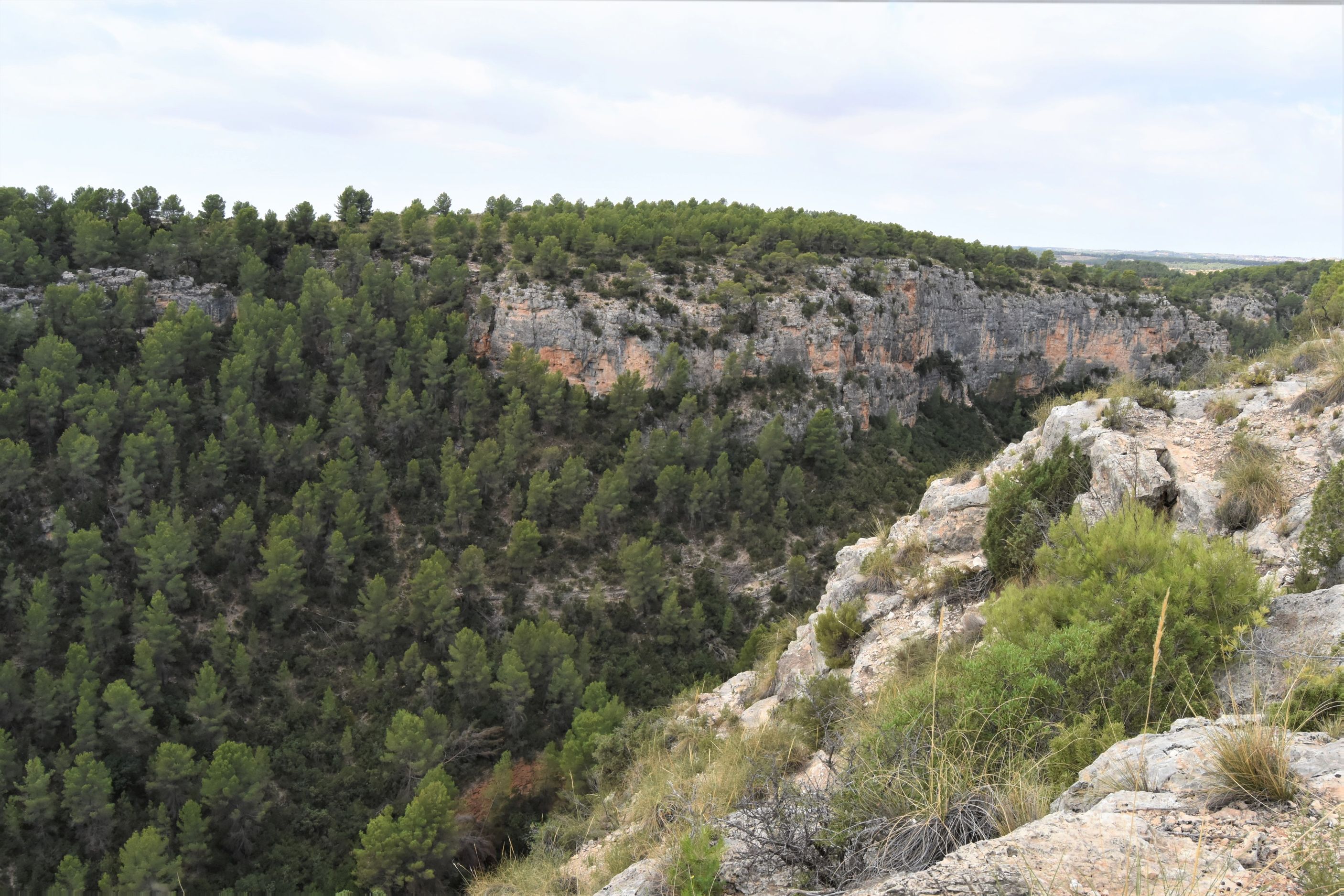
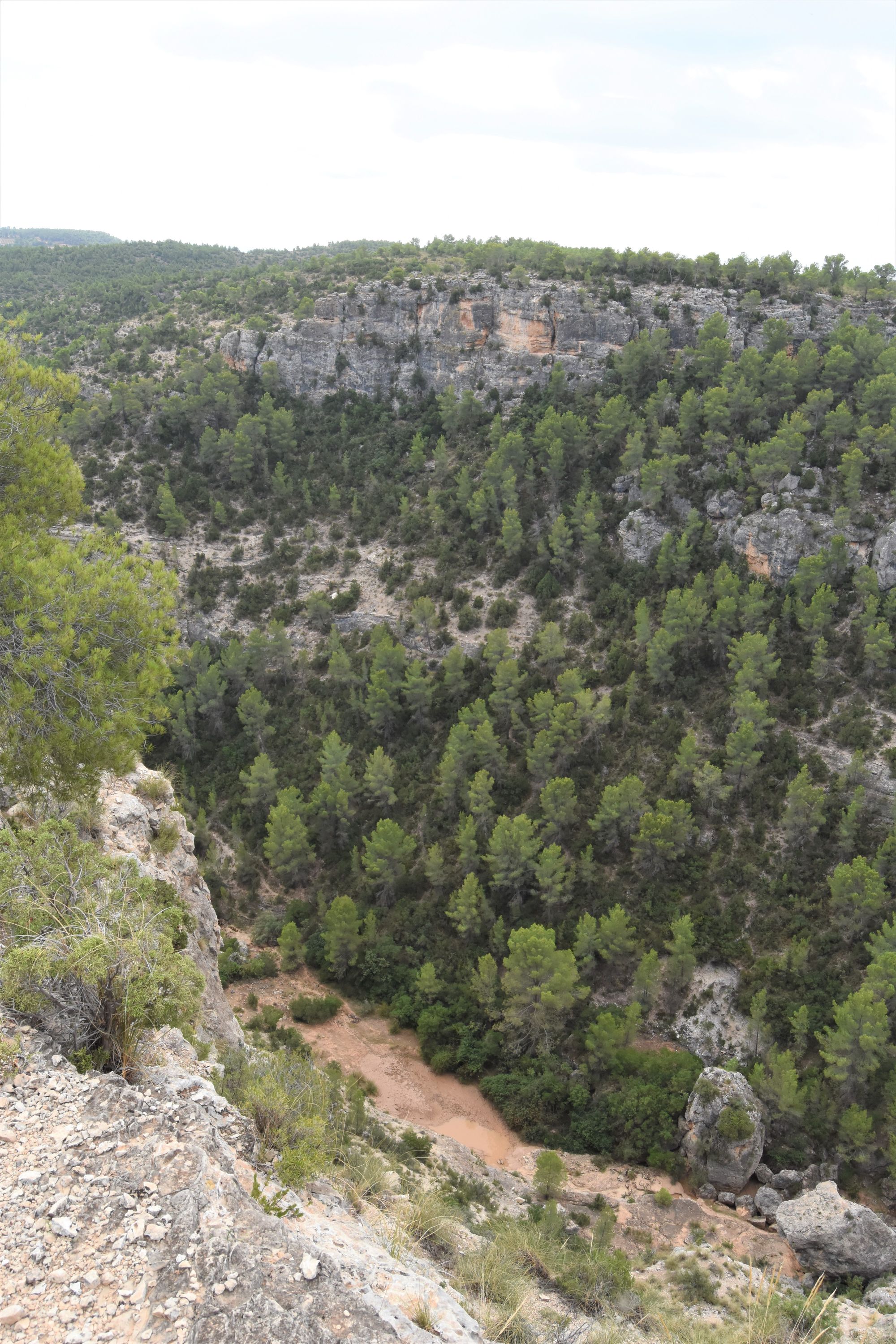
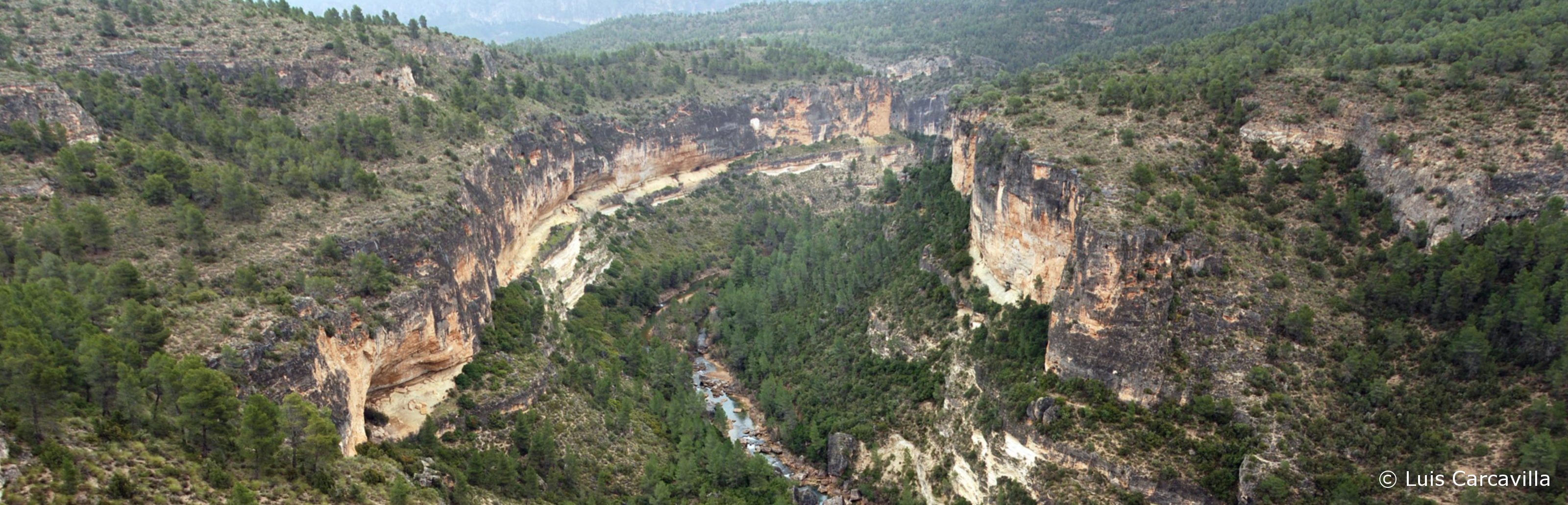
Los materiales que aparecen en las Hoces y los Cuchillos son los mismos, pero tienen una disposición estructural totalmente diferente, por lo que los agentes erosivos (agua, viento) han generado a partir de ellos dos tipos de relieve muy distintos: mientras que las Hoces se caracterizan por los escarpes y farallones rocosos de hasta 100 metros de desnivel, los Cuchillos se distinguen por su morfología puntiaguda.

El conjunto geomorfológico que forman las Hoces, los Cuchillos y las cárcavas del valle de Fonseca tiene un valor excepcional.

The materials that appear in the “Hoces” are the same as those in the “Cuchillos”, but their different structural disposition has allowed the erosive agents (water, wind) to generate two very different types of relief: at the “Hoces” we find cliffs and escarpments up to 100 meters high, while the “Cuchillos” are formed by sets of parallel sharp ridges. These two elements, together with the broader gullies opened on the soft Tertiary bedrocks at the Fonseca valley have set up an exceptionally valuable landscape of geomorphological elements.

Valores Faunísticos

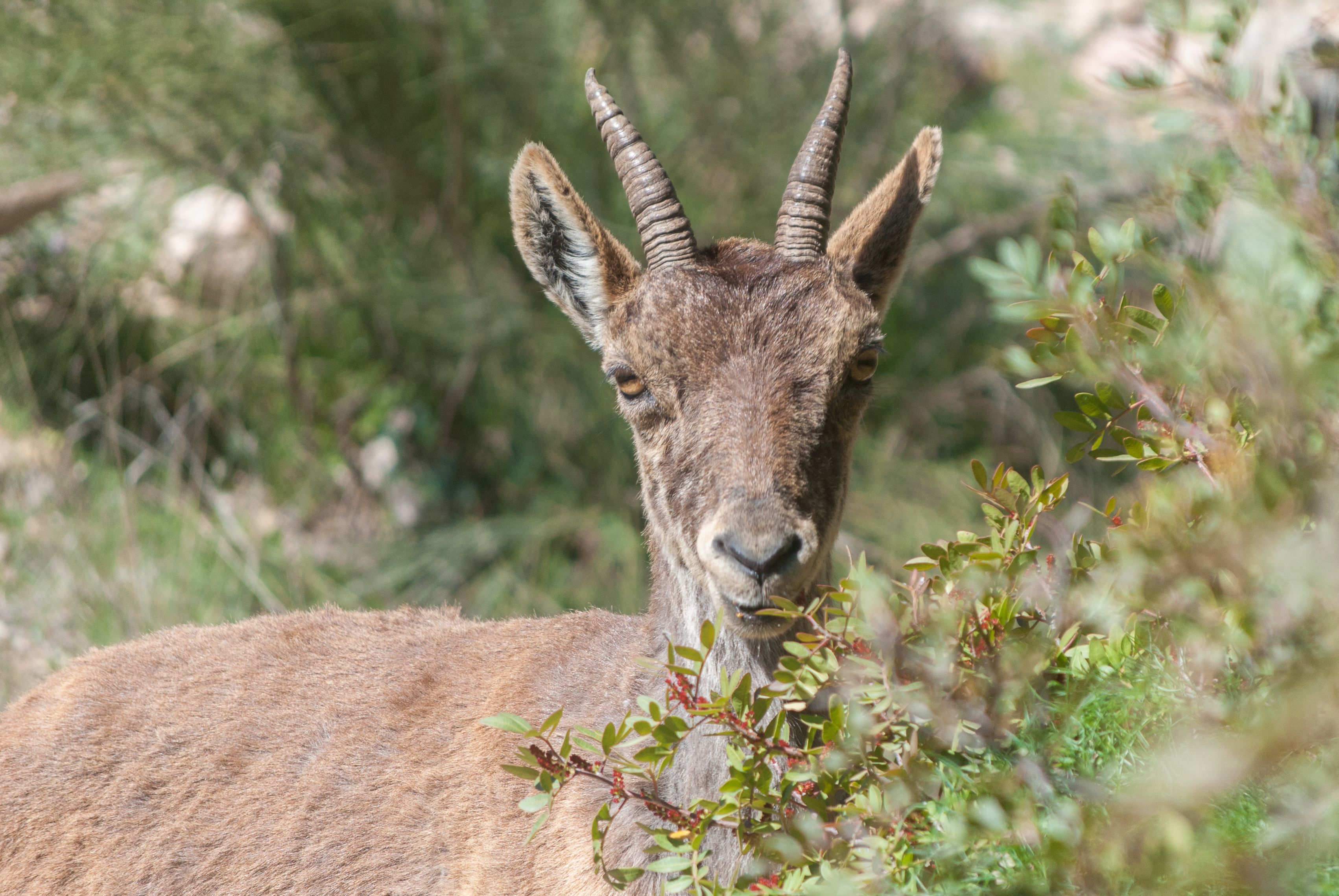
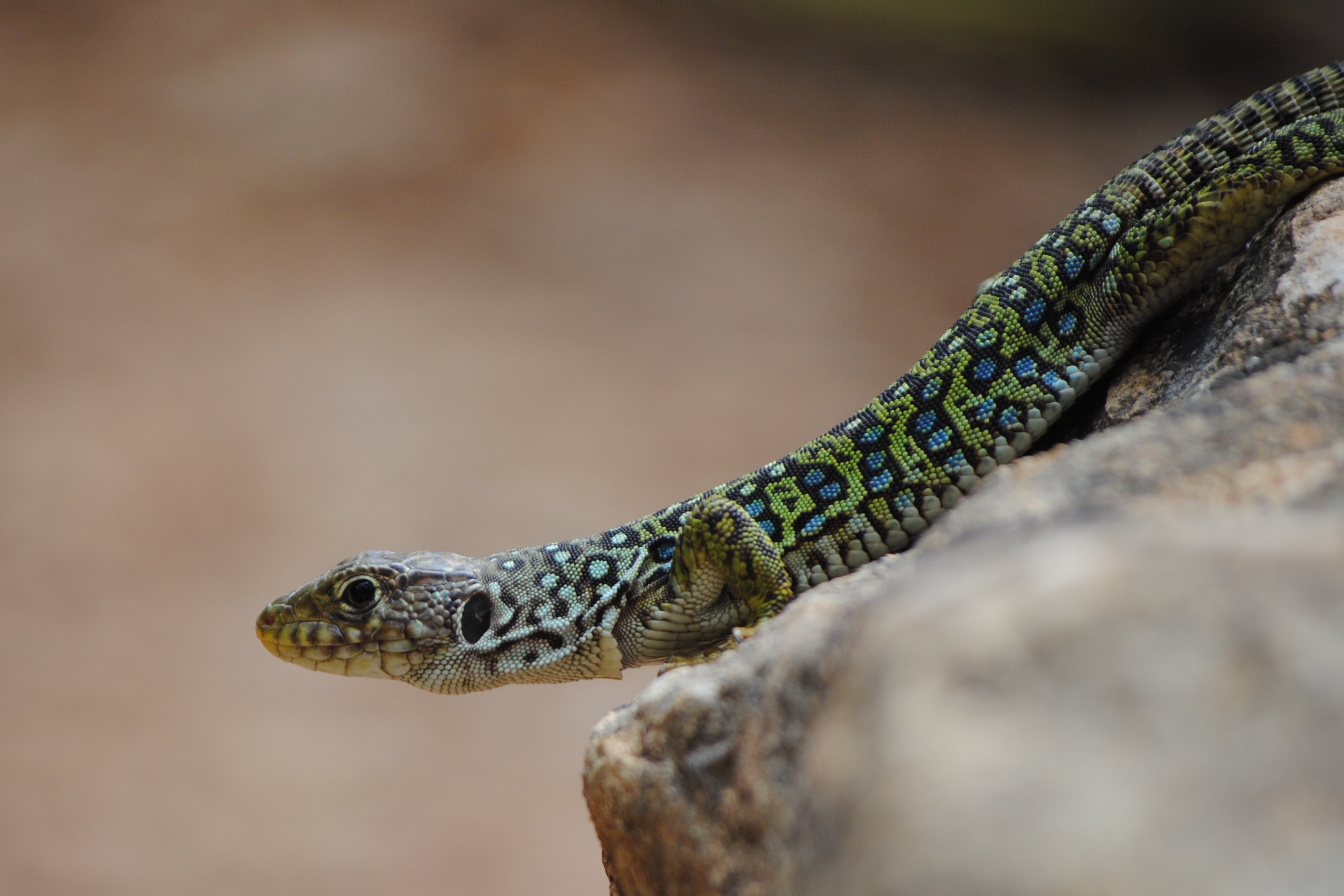
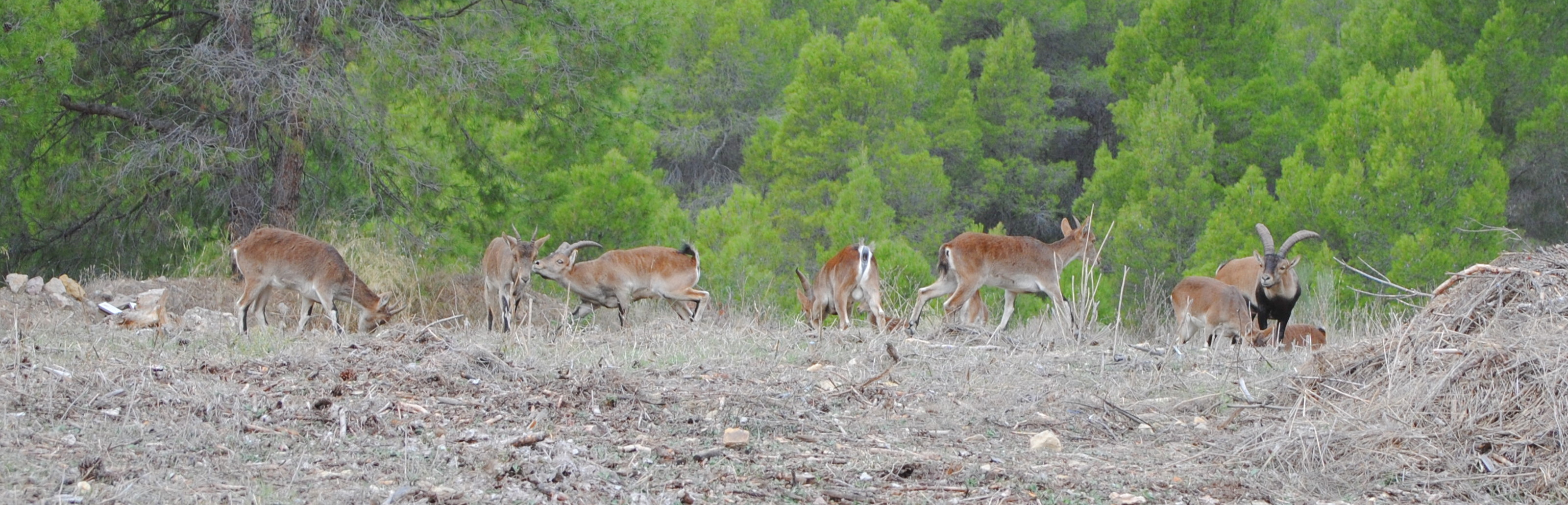
La abundancia de afloramientos rocosos ha permitido el asentamiento de varias especies de aves rupícolas donde encuentra refugio el águila perdicera,el águila real o el halcón peregrino. Pero sin lugar a dudas, la especie mejor adaptada a este difícil ecosistema es la cabra montés, que actualmente cuenta con buenas poblaciones en la zona. Ligados al sistema fluvial, destaca la presencia de la nutria y de peces amenazados como el blenio. Otros mamíferos que se pueden encontrar frecuentemente en la reserva (al menos sus rastros, ya que son animales muy esquivos) son ginetas, garduñas, ardillas, tejones y lirones caretos.

Due to the variety of habitats found in the natural reserve, the wildlife stands out for its diversity. The abundance of ridges and cliffs favours the settlement of several species of cliff-nesting birds such as the Bonelli’s Eagle, the Golden Eagle and the Peregrine Falcon. But surely the species which is best adapted to this rugged landscape is the iberian ibex, which holds a large population in the area. In river Cabriel waters thrives Eurasian Otters and freshwater blenny, a small Mediterranean fish. Other mammals species frequently found are Common Genet, Beech Marten, Red Squirrel, Eurasian Badger and Garden Dormouse. Most of them are very shy, elusive animals, but we can see their tracks.

Valores Paisajísticos

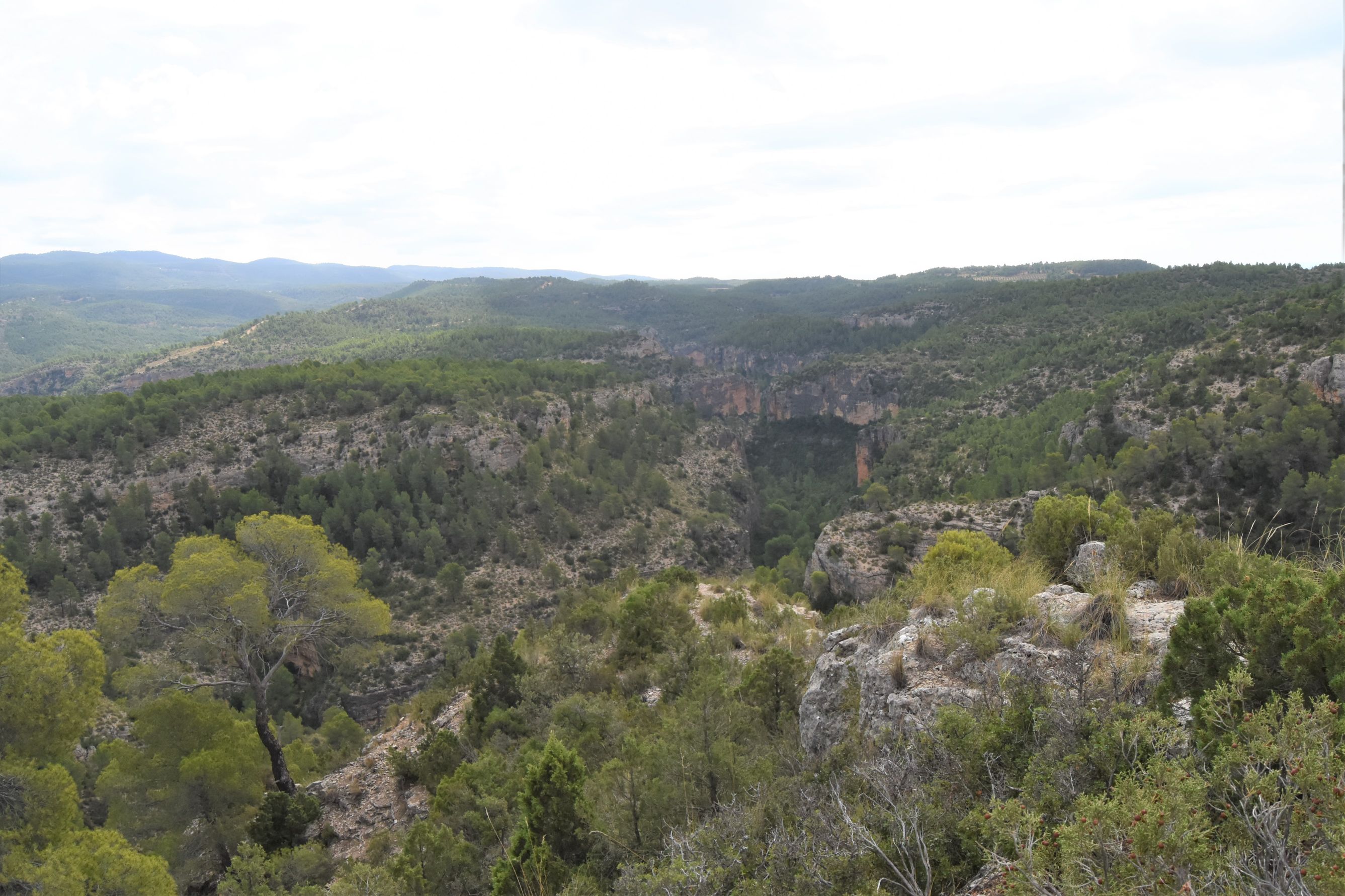
En el terreno con escaso relieve de la manchuela conquense encontramos estas impresionantes formas labradas por los procesos erosivos en los cuchillos de Contreras, las hoces del Cabriel y las cárcavas de Fonseca.

Surrounded by extensive plains, on arrival we are surprised by its contrast with the impressive shapes carved by erosion at the “Cuchillos de Contreras”, the “Hoces del Cabriel” and the Fonseca valley areas. “Cuchillos” is the Spanish word for “knives” and while “Hoces” stands for sickles, it is also used to design the deep and narrow cuts (as made by a sickle) that rivers, after thousands of years open in hard rock -such as limestones- layers.

Otros Valores

Su declaración, en el año 1995, supuso la primera reserva natural de Castilla-La Mancha. El trazado de la autovía del Levante aceleró su protección.

It was the first Natural Reserve in Castilla-La Mancha, and its declaration was made in 1995 after the strong social rejection generated to the A3 highway projected inside this place, which accelerated its protection through the approval of a plan for the management of natural resources.

Ficha técnica

Figura de protección
ENP Reserva Natural
Provincia
Iniesta
Minglanilla
Otros Instrumentos de Protección

La reserva natural está incluida en la red Natura 2000, en la ZEC y ZEPA "Hoces del Cabriel, Guadazón y Ojos de Moya".

Superficie (ha.)
1.662,00 ha.

Normativa

Fecha de Declaración
Fecha Inicio Declaración PORN
Fecha Inicio Declaración PRUG
Norma de Aprobación PRUG
¿Tienes dudas?
Ponte en contacto con nosotros